

The Myth of “Evidence-Based” Addiction Treatment
The phrase "evidence-based treatment" carries scientific authority in addiction recovery, yet often functions more as reassurance than truth.
The phrase "evidence-based treatment" carries scientific authority in addiction recovery, yet often functions more as reassurance than truth.
Mere Thelema, a magazine devoted to serious writing on Thelema, has relocated to a newly redesigned platform built specifically for long-form essays with footnotes and careful argument.
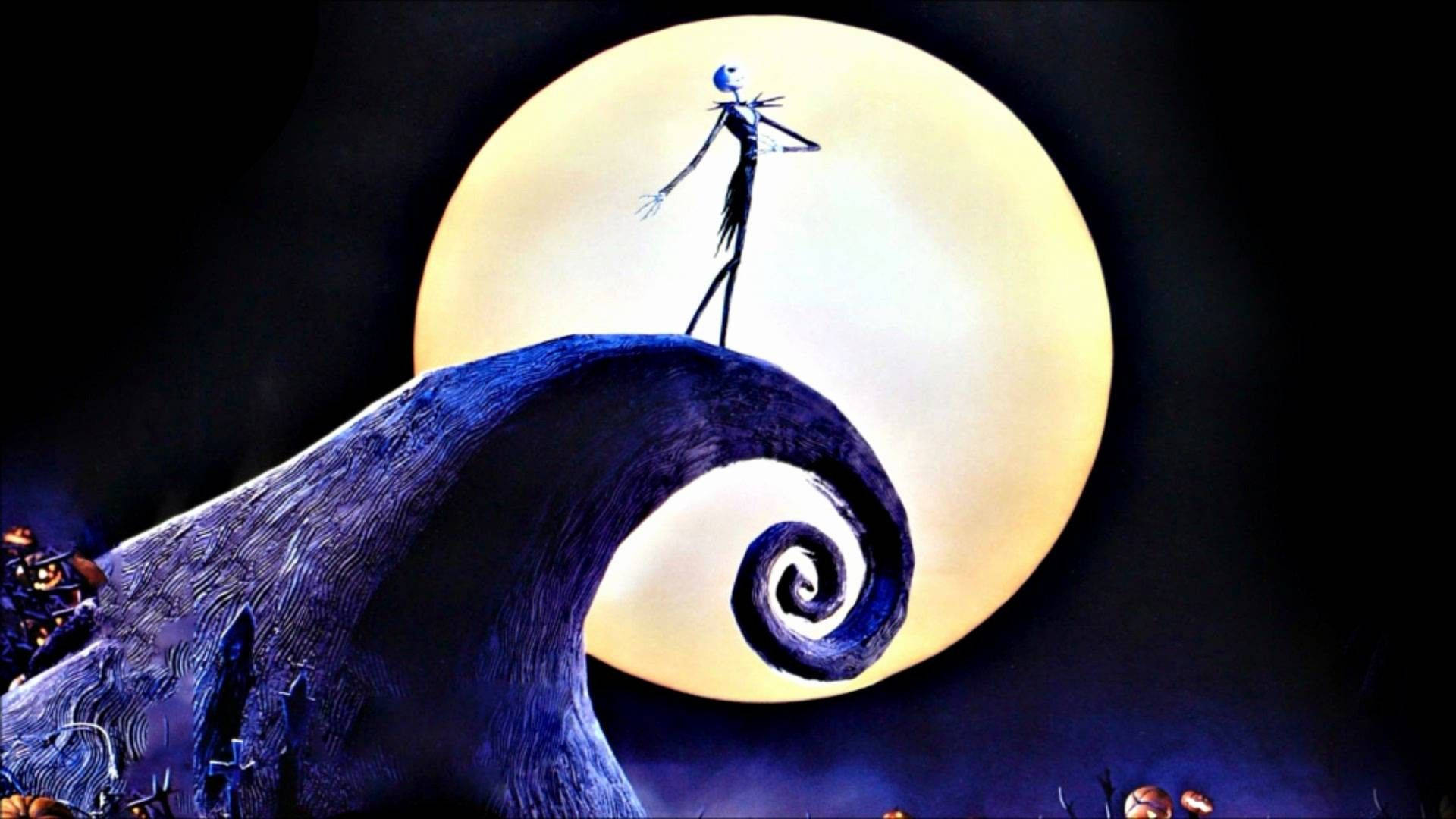
This Thelemic reading of The Nightmare Before Christmas argues that Jack Skellington's fall is not from embracing wonder but from mistaking glamour for True Will.
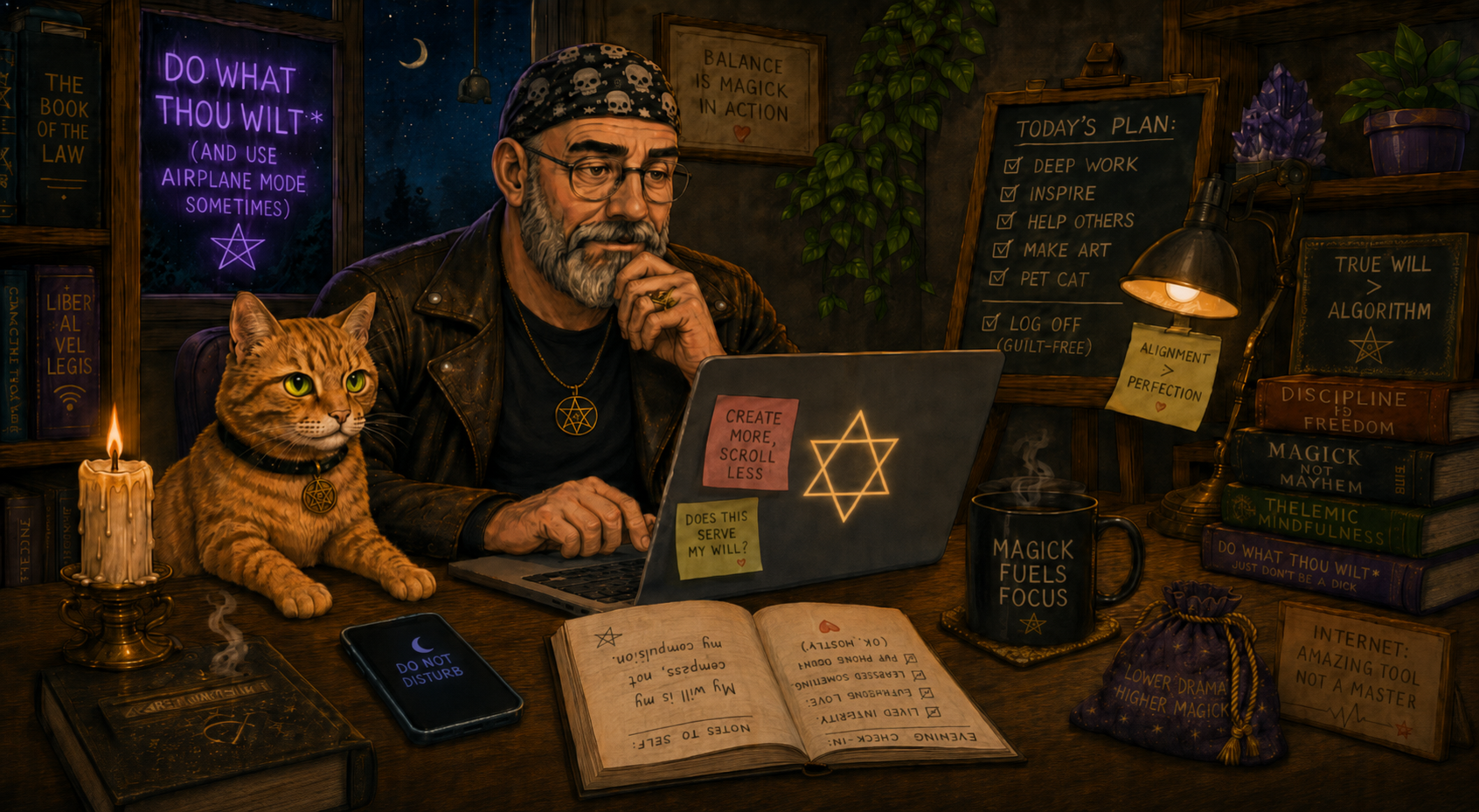
True Will in Thelema emphasizes discernment, discipline, and individual purpose over fleeting desires, recognizing its continuity and manifestation through existence.
Thelemic philosophy encourages individuals to prioritize their True Will over external distractions and to treat uninterrupted attention as sacred.
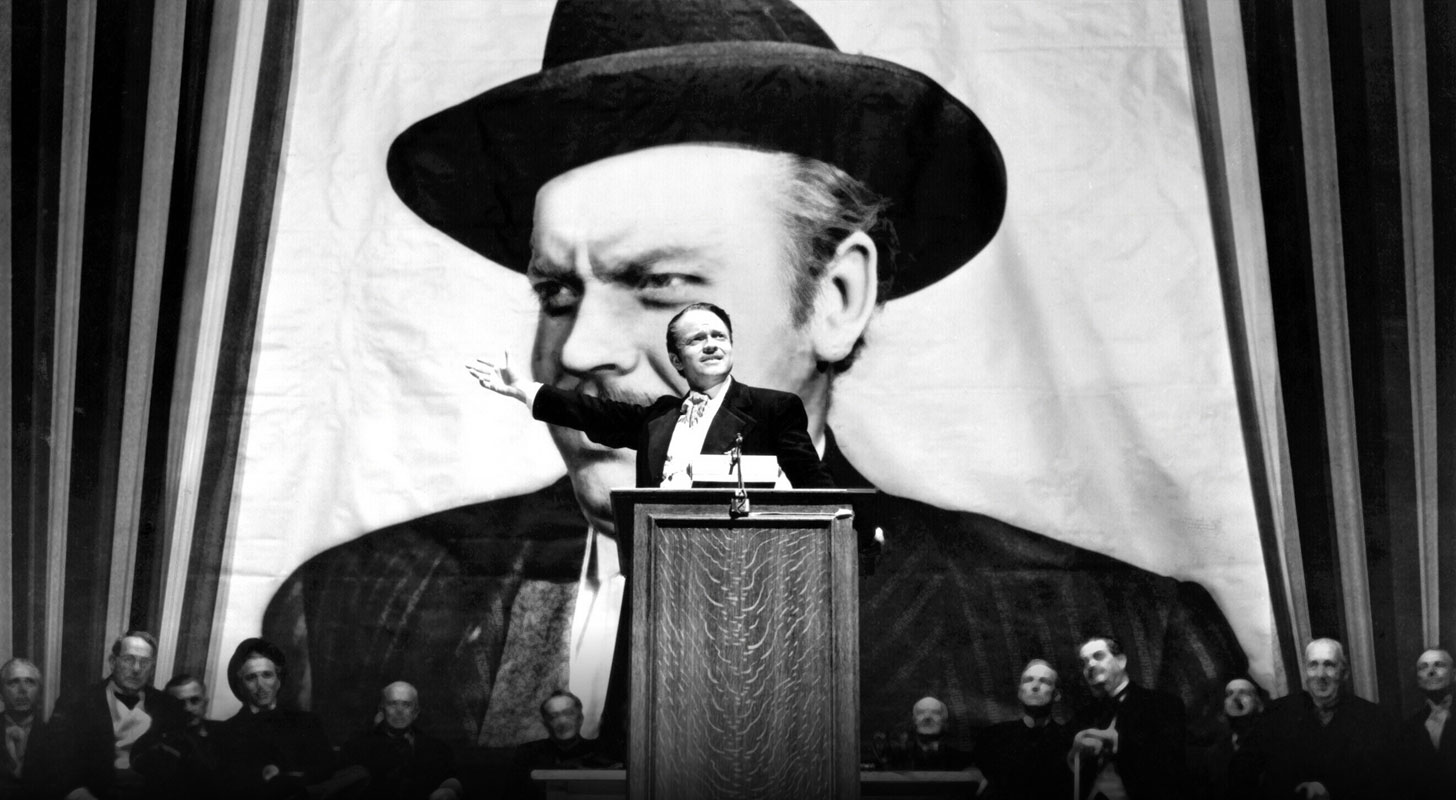
An insightful Thelemic analysis of Citizen Kane, exploring how the iconic film is not a simple morality tale of ambition, but a tragic study of a man who mistook his ego’s desperate desires for True Will.
Thelemic organizations often mistake public programming for true promulgation of the Law. Johnathon Victor Reese explores how to move past mere marketing and align outreach with Thelema’s actual mandate for promulgation.
Experience a poetic, mystical journey into the raw dance of life, death, and rebirth. Explore the beauty of mortality and the power of creation, where embracing impermanence becomes an act of real magick.
The words we use shape our reality. Labeling yourself an addict traps you in a past narrative. Discover how reclaiming your language can rewire your brain, support your growth, and help you write a better future.
Do ethics require a religious foundation? Gerald explores the origins of morality, challenging traditional views and examining five key ethical frameworks to help us build a responsible inner compass.
As contemporary occultists increasingly turn to traditional Christianity for ritual and community, Marco Visconti warns against letting aesthetic appeal blind us to the political dangers of religious restriction.