This Is Not My Door
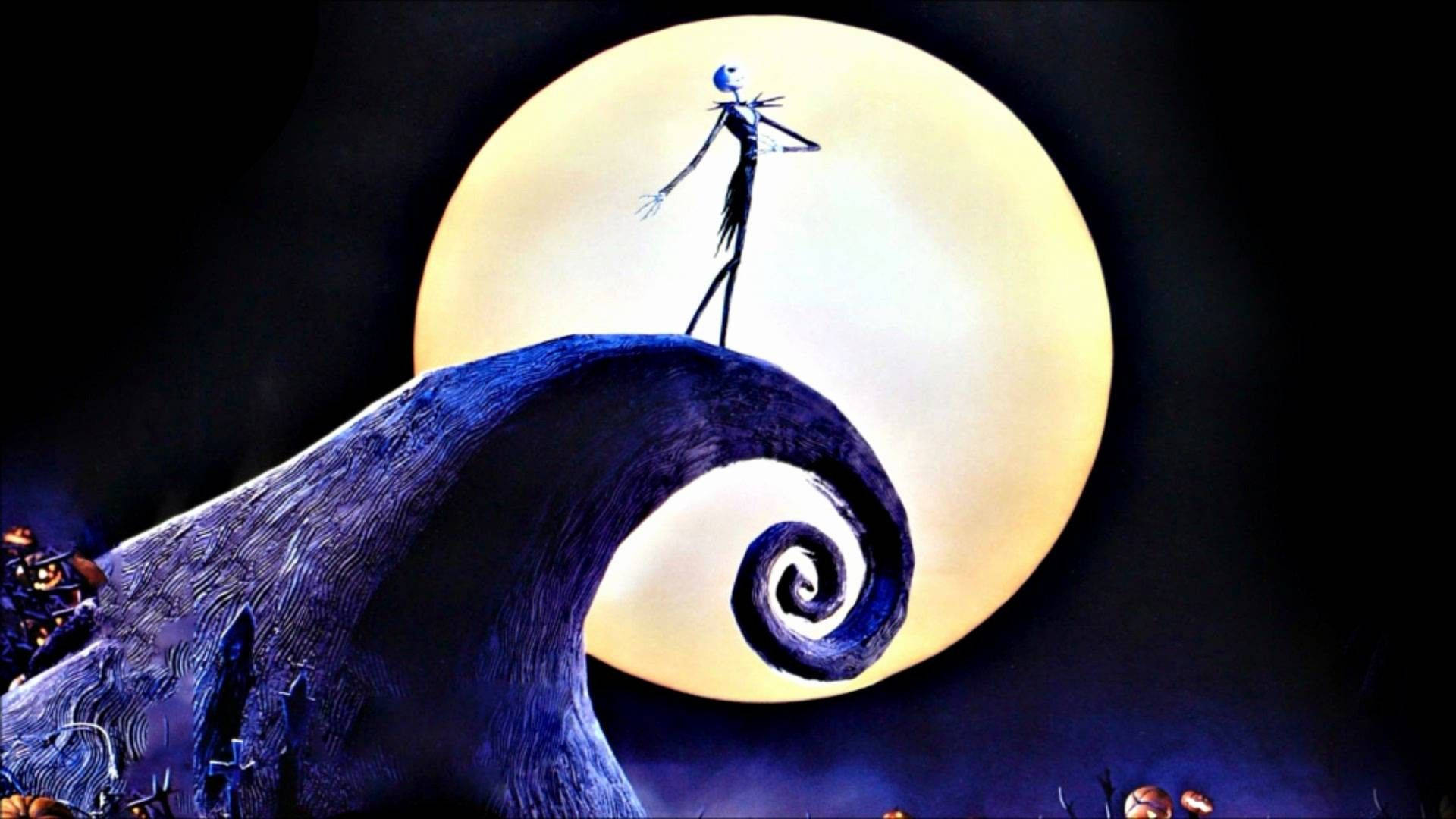
This Thelemic reading of The Nightmare Before Christmas argues that Jack Skellington's fall is not from embracing wonder but from mistaking glamour for True Will.
Column
Poetry, fiction, visual art, and other creative work.

Above the Fold
Samuel Beckett’s Waiting for Godot opens in negation: “Nothing to be done.” Those four words—uttered by Estragon as he struggles with his boot—set the metaphysical tone of the play. The act of waiting begins not with a question, but with the collapse of action. From the first moment, Beckett’s world is one in which Will has been suspended, where the potential for movement exists but never materializes.
For the Thelemite, this may be the most tragic state imaginable. The Law commands, “Do what thou wilt.” Here, in Beckett’s play, there is only the opposite: a state of deferral so complete that it has become identity. “So there you are again,” Vladimir says, half-welcoming, half-resigned, and Estragon answers, “Am I?” It’s an existential echo chamber, where the self questions its own presence because no decisive act confirms it.
They are waiting for Godot, yet even that waiting is uncertain. When Pozzo asks, “Who is Godot?” we get the following exchange:
Vladimir: “Oh he’s a … he’s a kind of acquaintance.”
Estragon: “Nothing of the kind, we hardly know him.”
Vladimir: “True … we don’t know him very well … but all the same … ”
Estragon: “Personally, I wouldn’t even know him if I saw him.”
The ambiguity of Godot’s identity—assumed known yet actually unknown, but still expected despite the inability to recognize any appearance—reveals the true nature of the illusion: salvation projected outward, faith misplaced in a figure whose definition collapses under scrutiny. And here we have another analogy: for Thelemites, the impoverishment and absurdity of the so-called “Holy Guardian Angel”; Beckett’s characters externalize it into a name and then remain unsure not only of what they’re looking for but even of their ability to recognize it when and if it arrives.
Their refrain, “We’re waiting for Godot,” recurs like a mantra of inversion: devotion without deity, prayer without God. The waiting itself becomes the act of faith. Yet it is faith emptied of movement. “Waiting? So you were waiting for him?” Pozzo asks, incredulous. “Here? On my land?”. The absurdity of the question underscores the absurdity of their condition: they occupy space but lack purpose, certainty, and meaning.
In Thelemic cosmology, the Aeon of Horus calls for self-awareness—the awakening of the Child who acts by Will rather than by obedience. Beckett’s tramps existentially remain in what we would call ‘the Aeon of Osiris,’ bound to self-sacrifice and projected hope. They cling to “tomorrow,” repeating the same day in perpetuity. Vladimir looks at the sky and asks, “Will night never come?”
Time, for them, is neither cyclical nor linear; it’s suspended—a parody of eternal recurrence, a veritable Groundhog Day of repeating angst. Thelema’s magical time is the dance of becoming, of change, of motion; Beckett’s is the stagnation of those who refuse to dance.
Even the play’s secondary figures mirror this paralysis. Pozzo and Lucky enact the old duality of master and slave (which Thelema collapses into masks of a single character). When they first appear, Lucky is led by a rope; he carries his master’s bags and stool. The rope tightens, loosens, jerks—always binding them together. “He can’t think without his hat,” Pozzo declares, as if intellect itself were a costume. Lucky’s subsequent monologue—“Given the existence … of a personal God quaquaquaqua … who from the heights of divine apathia … loves us dearly with some exceptions for reasons unknown” —is a torrent of broken theology, a babble of vaguely intellectual metaphysics drained of coherence. It’s a perfect inversion of Thelemic gnosis: divine speech reduced to noise.
Thelema’s freedom rejects this rope entirely. “Every man and every woman is a star,” each with an independent orbit of their own, yet Pozzo and Lucky circle each other in servitude. Their relationship decays into blindness and silence, physical emblems of what happens when authority (Pozzo blind) and submission (Lucky mute) replace Will. The Master cannot see; the Servant cannot speak. Thelema’s formula of “Love under Will” is entirely lost, and becomes, in Beckett’s world, bondage without meaning.
The setting reinforces this inertia. A single barren tree stands center stage. In Act I, it is leafless; in Act II, it sprouts a few leaves but never really comes to life. It is a life without renewal, initiation without progress. Around it, the men speak of hanging themselves: “Let’s hang ourselves immediately.” “From a bough? I wouldn’t trust it.” The rope, symbol of both execution and initiation, fails to bear their weight. In Thelema, the death of the self is a prerequisite to transformation. Here, death is merely another postponed event.
Habit, the great enemy of Will, is Beckett’s silent antagonist. “Nothing happens, nobody comes, nobody goes, it’s awful,” Estragon laments. The line’s rhythm—its monotonous trinity of negations—captures the suffocating cycle of unawakened consciousness. The repetition of each act, almost scene for scene, literalizes the spiritual nightmare of automation: the day repeats because nothing was done within it.
At the end of each act, the Boy appears, the messenger of Godot. “Mr. Godot told me to tell you he won’t come this evening but surely tomorrow.” His presence, timid and deferential, is an ironic echo of the Horus-child archetype. The Thelemic Child embodies awakening; Beckett’s boy embodies postponement.
Above the Fold
Samuel Beckett’s Waiting for Godot opens in negation: “Nothing to be done.” Those four words—uttered by Estragon as he struggles with his boot—set the metaphysical tone of the play. The act of waiting begins not with a question, but with the collapse of action. From the first moment, Beckett’s world is one in which Will has been suspended, where the potential for movement exists but never materializes.
For the Thelemite, this may be the most tragic state imaginable. The Law commands, “Do what thou wilt.” Here, in Beckett’s play, there is only the opposite: a state of deferral so complete that it has become identity. “So there you are again,” Vladimir says, half-welcoming, half-resigned, and Estragon answers, “Am I?” It’s an existential echo chamber, where the self questions its own presence because no decisive act confirms it.
This Thelemic reading of The Nightmare Before Christmas argues that Jack Skellington's fall is not from embracing wonder but from mistaking glamour for True Will.
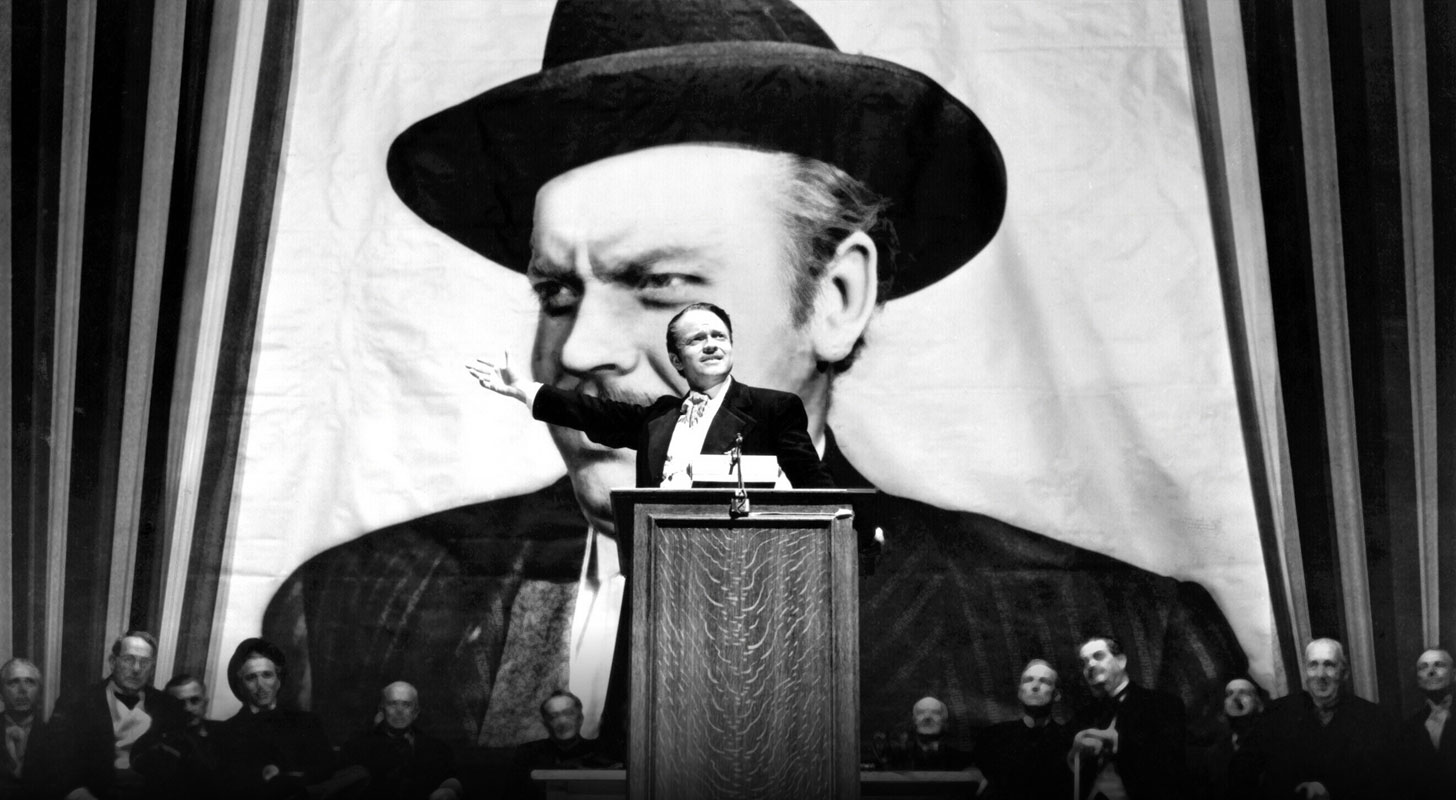
An insightful Thelemic analysis of Citizen Kane, exploring how the iconic film is not a simple morality tale of ambition, but a tragic study of a man who mistook his ego’s desperate desires for True Will.
Experience a poetic, mystical journey into the raw dance of life, death, and rebirth. Explore the beauty of mortality and the power of creation, where embracing impermanence becomes an act of real magick.
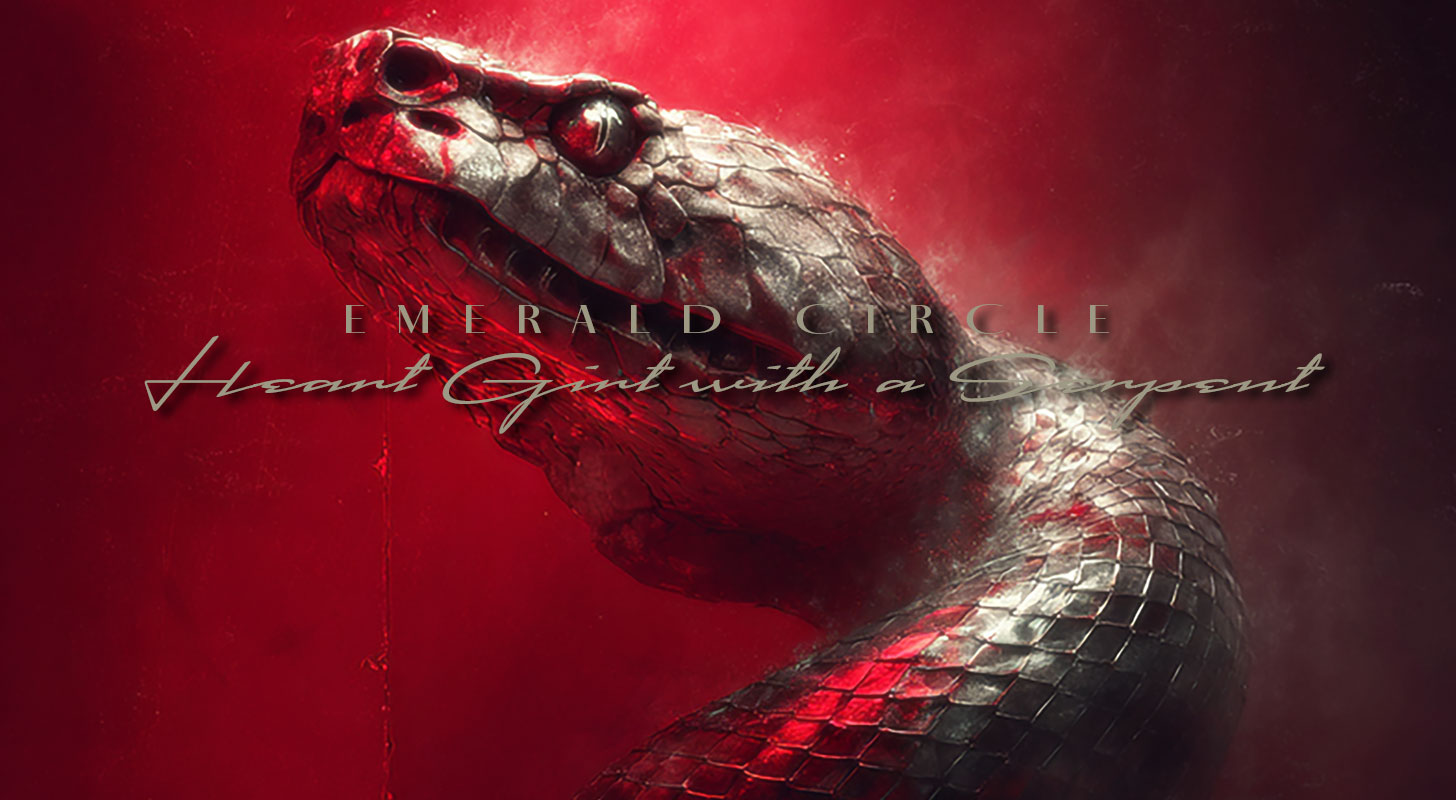
Read the lyrics to Emerald Circle from Scarlet Aeon, a powerful, poetic journey of breaking past old wounds, shedding false identities, and embracing a deeper, transformative fire.
A ritualistic invocation of Babalon, Pan, and Baphomet celebrating spiritual liberation and inner divinity. This poem explores mystical transformation, the Night of Pan, and the sacred temple within the human heart.